Overview
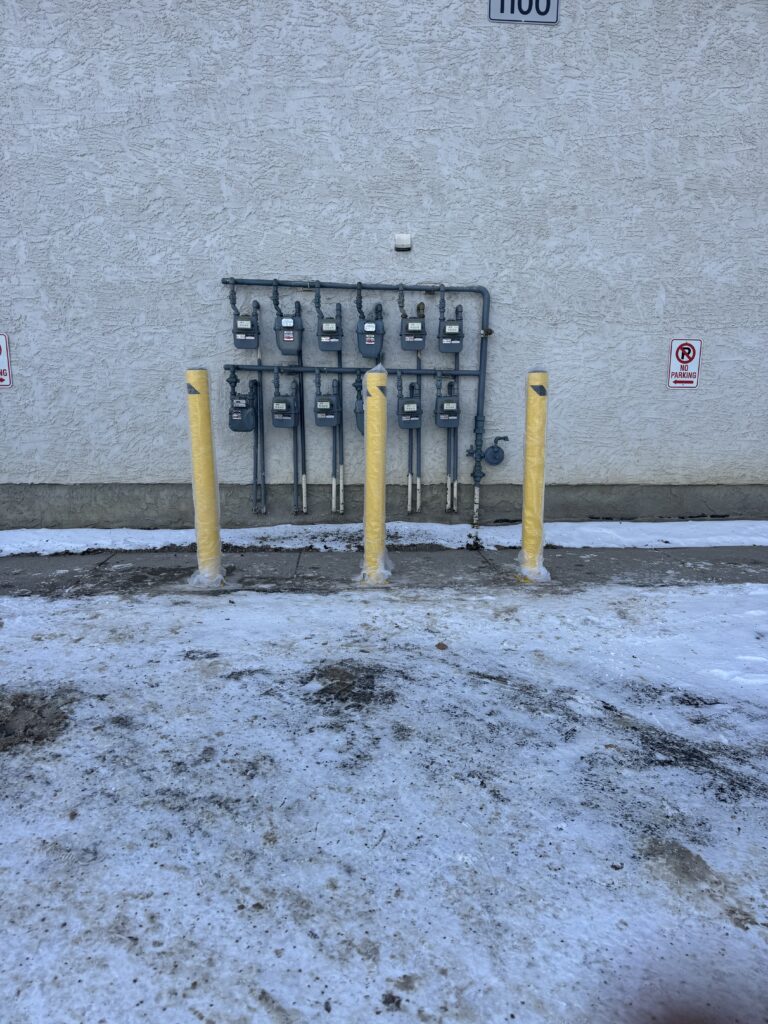
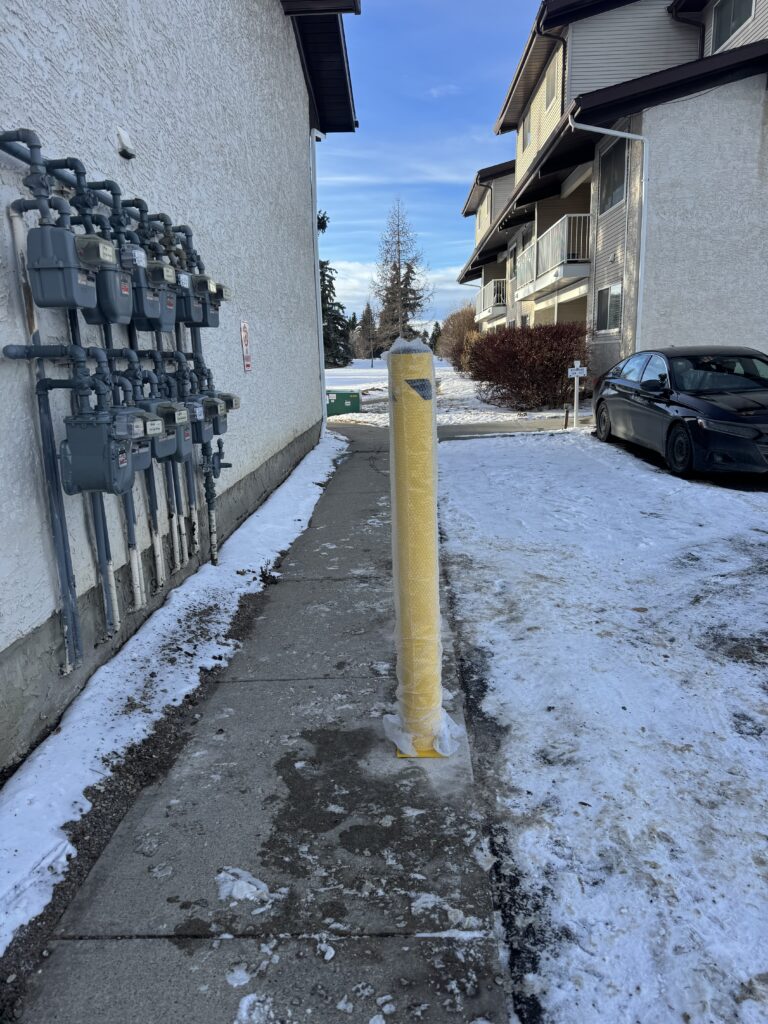
Bollards are a reliable way to protect buildings, storefronts, pedestrians, gas meters and equipment from vehicle impact. Whether used for safety, traffic control, or property protection, properly installed bollards provide long‑lasting security and peace of mind. Western Concrete Lifters offers professional bollard installation, combining precision excavation, secure anchoring, and clean site restoration.
Our Bollard Installation Process
Evaluate the location for underground utilities, concrete thickness, soil conditions, and traffic patterns.
Determine the correct bollard type:
- Steel security bollards
- Removable or lockable bollards
- Decorative bollards
- Parking‑lot or warehouse protection bollards
- Inground bollards
- Surface mount bollards
Confirm spacing, alignment, and depth requirements based on safety standards and client needs.
2. Marking & Utility Locates If Needed
- Mark the exact installation points.
- Arrange for Alberta One‑Call utility locates to ensure safe digging.
- Establish safe work zones to protect pedestrians and vehicles during installation.
3. Core Drilling or Excavation
Depending on the surface:
Concrete Surfaces
- Use a core drill to cut a clean, precise hole through the slab.
- Remove the core and excavate to the required depth (typically 24–48 inches depending on bollard type).
Asphalt or Soil
- Excavate a hole sized for the bollard and concrete footing.
- Install forms if needed to maintain shape and alignment.
4. Setting the Bollard
- Position the bollard in the excavation and ensure it is perfectly plumb and aligned.
- Add internal reinforcement if required (rebar cage or anchor rods).
- Secure the bollard in place before pouring concrete.
5. Concrete Pour & Reinforcement
- Fill the excavation with high‑strength concrete.
- Vibrate or rod the concrete to eliminate air pockets.
- Shape the top surface for drainage and a clean finish.
- Allow proper curing time to ensure maximum strength.
6. Finishing Options
Once the concrete has cured, the bollard can be finished to match the environment:
- Powder‑coated paint
- High‑visibility safety yellow
- Reflective tape
- Decorative sleeves (steel, plastic, or architectural covers)
- Removable locking mechanisms (if applicable)
7. Site Cleanup & Final Inspection
- Remove debris, clean the work area, and restore surrounding surfaces.
- Perform a final inspection to ensure alignment, stability, and compliance with safety standards.
- Provide the client with maintenance recommendations.